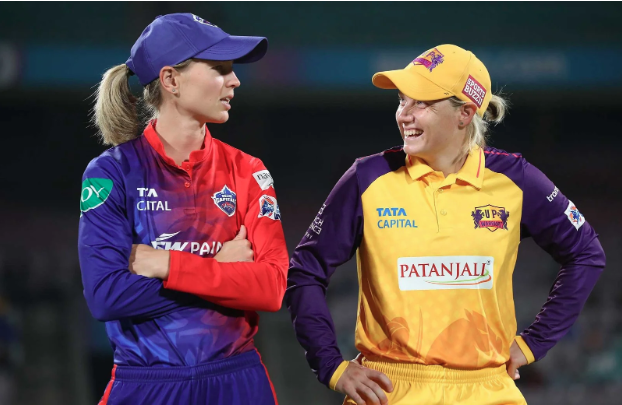
For nearly a decade, the Women’s Big Bash League was the gold standard of women’s franchise cricket. It set the pace for professionalism, player development, and competitive balance, long before most countries had even considered a standalone women’s league. When the Women’s Premier League was announced, comparisons were inevitable. Skeptics questioned whether a new Indian league could match the tactical maturity, depth, and culture that the WBBL had built patiently over time.
By the end of the 2025 season, that skepticism had softened. The WPL is not trying to copy the WBBL, nor is it claiming superiority. Instead, it is steadily closing the gap by leveraging India’s scale, talent pool, and evolving cricketing mindset. The difference between the two leagues now lies more in age and context than in quality.
The WBBL Head Start and Why It Mattered:
The Women’s Big Bash League began in 2015, at a time when women’s cricket globally was still searching for sustained visibility. Australia invested early, not just in broadcasting but in infrastructure, coaching continuity, and domestic pathways.
By the time the WPL launched, the WBBL had already shaped an entire generation of Australian cricketers. Players grew up understanding franchise roles, game tempo, and leadership responsibility. This long runway gave the WBBL a natural advantage in polish and consistency.
What made the WBBL special was not star power alone. It was the league’s ability to produce well drilled teams where even fringe players understood systems. That culture became the benchmark the WPL was measured against.
The WPL’s Accelerated Growth Curve:
Where the WBBL took years to mature, the WPL has compressed that learning into a much shorter window. Backed by strong financial investment and massive public interest, the Indian league moved rapidly from experimentation to execution.
By the 2025 season, which ended with a tactically assured title win that highlighted squad depth and composure, the WPL had already developed identifiable playing styles. Teams were no longer improvising combinations match by match. They were executing pre planned strategies.
This accelerated growth is partly due to India learning from existing leagues. Administrators, coaches, and analysts entered the WPL with a clear understanding of what works and what fails in franchise cricket.
Match Quality: From Chaos to Control:
Early WPL seasons occasionally leaned toward high scoring chaos. Batting lineups were powerful, but bowling plans and fielding structures were still evolving. The WBBL, by contrast, had long been praised for controlled, tactically balanced contests.
By 2025, that gap narrowed significantly. WPL matches showed greater rhythm. Middle overs became battles of patience rather than survival. Bowlers defended totals with discipline instead of desperation.
This shift was evident in close games. Chases were paced with intent. Defending sides trusted their plans rather than reacting emotionally. These are traits long associated with the WBBL, now increasingly visible in the WPL.
Depth of Domestic Talent: Different Strengths, Similar Outcomes:
One area where the WBBL still holds an edge is domestic depth. Australia’s domestic structure consistently produces players ready for franchise cricket. Bench strength has been the WBBL’s quiet advantage.
India’s challenge has been different. The talent pool is enormous, but uneven exposure once limited readiness. The WPL has changed that equation quickly.
Domestic Indian players now face high pressure situations regularly. They bat in front of packed stadiums and bowl to international stars. As a result, the learning curve has steepened.
|
Aspect |
WBBL |
WPL |
|
Domestic player readines |
Long established |
Rapidly improving |
|
Exposure to pressure |
GraduaL |
Immediate |
|
Talent pipeline |
Narrow but deep |
Wide and expanding |
|
Transition to internationals |
Seamless |
Accelerating |
The outcome is convergence. The WBBL’s depth advantage is narrowing as India’s system adapts.
Overseas Players: Different Roles, Similar Influence
Both leagues rely on overseas players, but the dynamics differ. In the WBBL, overseas stars often fill leadership or specialist gaps. In the WPL, they act as accelerators.
International players bring tactical discipline, fielding intensity, and calm decision making. In the WPL, their influence has been particularly important in shaping middle overs play and death bowling execution.
By 2025, WPL franchises had learned to integrate overseas players rather than build around them. This mirrors the WBBL model, where team identity is rarely dominated by imports.
The result is a healthier competitive balance and stronger local ownership of match outcomes.
Auctions vs Drafts: Strategy in Different Forms
One structural difference between the leagues is team building. The WPL uses auctions, while the WBBL relies on drafts and signings.
Auctions create volatility. A single bidding war can reshape a squad. Early WPL auctions reflected this unpredictability. By contrast, the WBBL’s recruitment model encourages continuity.
What is interesting is how WPL auctions have grown more disciplined. By 2025, franchises entered auctions with role-based strategies, capped bids, and contingency plans. This strategic maturity reduced randomness.
In effect, the WPLeague auction now produces outcomes closer to the WBBL’s steadier roster building, despite the different mechanisms.
Tactical Evolution: Learning From Australian Cricket
Australian women’s cricket has long emphasized game awareness. Rotating strike, defending low totals, and valuing fielding are cultural norms.
These traits are increasingly visible in the WPL. Indian batters show greater patience against spin. Bowlers adjust plans within overs. Captains read matchups more clearly.
This is not imitation but adaptation. Indian teams combine aggression with control, creating a hybrid style that reflects local strengths while incorporating WBBL influenced discipline.
The 2025 season featured multiple matches where teams recovered from early setbacks through calm rebuilding, a scenario once more common in the WBBL.
Fan Engagement and Atmosphere:
One area where the WPL already rivals, and arguably surpasses, the WBBL is atmosphere. Indian crowds bring scale and energy that few leagues can match.
Packed stadiums create pressure environments that accelerate player growth. Young cricketers learn quickly when mistakes are amplified and successes celebrated loudly.
The WBBL offers a more intimate, community driven experience, which has its own charm. The WPL, however, operates at a different emotional pitch, closer to men’s franchise cricket.
Both environments shape players differently, but the intensity of the WPL has shortened the experience gap significantly.
Broadcast and Analysis Standards:
The WBBL set early standards in thoughtful broadcast analysis. Matches were explained, not just shown.
The WPL has caught up rapidly. Coverage now includes tactical breakdowns, matchup analysis, and data driven insights. By 2025, broadcasts treated women’s matches with the same seriousness as men’s games.
This matters because informed viewing raises expectations. Players respond to scrutiny by refining skills, and teams adjust strategies knowing they will be analyzed publicly.
Scheduling and Workload Management:

One advantage the WBBL retains is scheduling stability. Players can plan seasons with relative certainty.
The WPL operates within a more crowded calendar. International commitments, travel, and domestic tournaments require careful balancing. By 2025, franchises had improved workload management, but this remains an area of learning.
As the league matures, alignment with international calendars will further narrow this gap.
What Closing the Gap Really Means:
Closing the gap does not mean becoming identical. The WPL and WBBL serve different cricketing cultures.
What has changed is credibility. The WPL is no longer viewed as a promising newcomer. It is a serious league producing tactically aware players and competitive matches.
Australian players entering the WPL no longer expect to dominate automatically. Indian players entering the WBBL are better prepared than ever before. This mutual respect is the strongest indicator of convergence.
The 2025 Season as a Turning Point:
The 2025 WPL title season symbolized arrival. Matches were won through planning rather than chaos. Squad depth mattered. Leadership was shared.
This season marked the point where comparisons with the WBBL shifted from aspiration to evaluation.
Conclusion:
The Women’s Big Bash League remains a benchmark built on time, structure, and culture. The Women’s Premier League, however, is closing the gap faster than many expected.
Through accelerated learning, smarter team building, and growing domestic confidence, the WPL has narrowed differences in match quality, tactical depth, and professionalism. By 2025, the gap was no longer about standards but about history.
As both leagues continue to evolve, the future of women’s franchise cricket looks less hierarchical and more collaborative. The WBBL may have started the journey, but the WPL is now running alongside it, stride for stride.