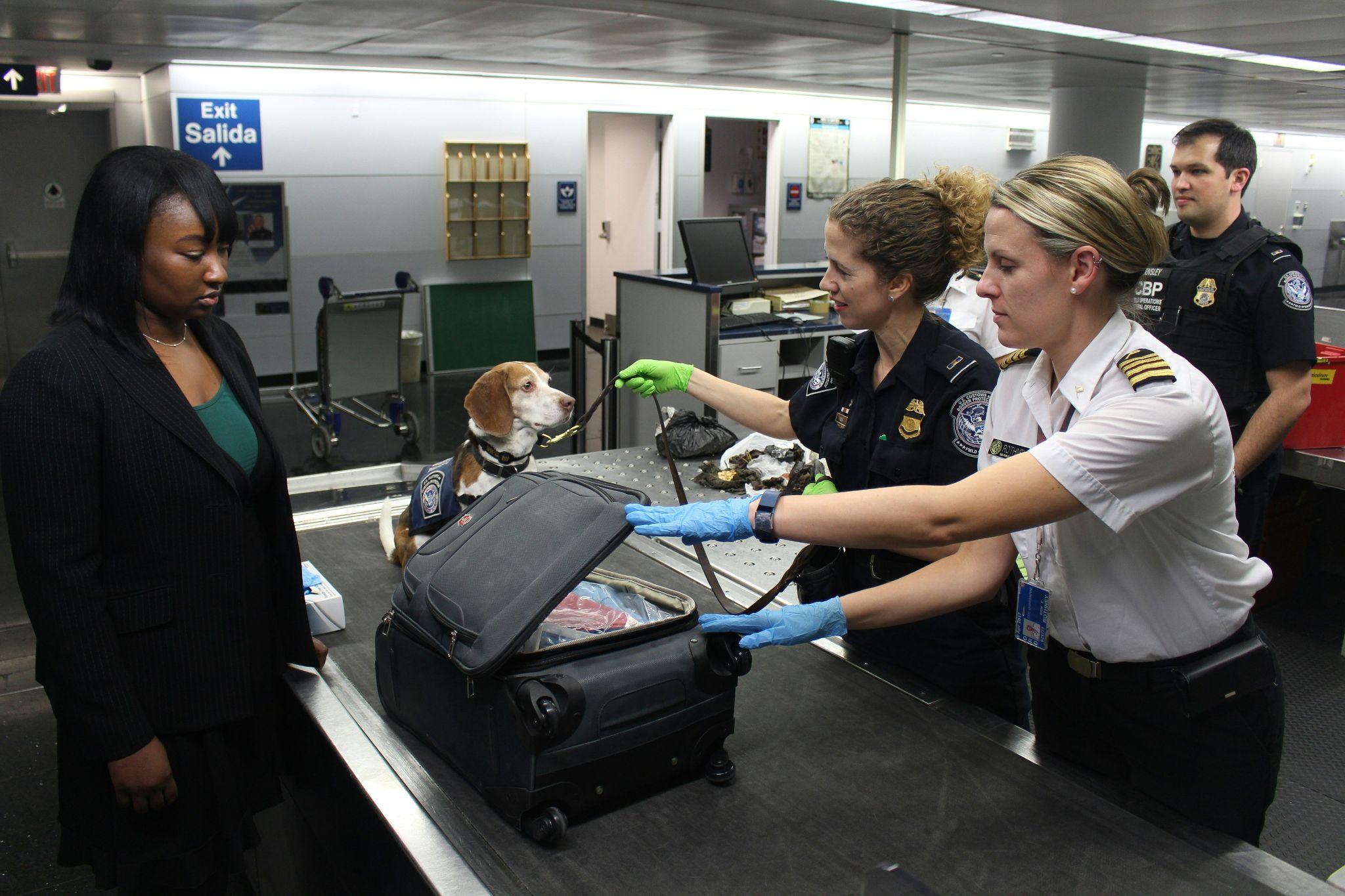
Airports evoke a mix of excitement and pressure, especially when travelers approach the security checkpoint. Smooth navigation through this process becomes essential for protecting schedules, peace of mind, and personal routines, including brief moments of digital communication on skinny dating platforms during long wait times. A strategic approach transforms security into a controlled and predictable step in the travel experience.
The Transportation Security Administration (TSA) checkpoint is designed as a layered defense system that detects weapons, explosives, and prohibited items. It operates with rigid sequencing and rapid decision making. Passengers who understand the purpose of each layer move with confidence and avoid triggering additional inspections.
Most complications at security result from preventable mistakes such as disorganized packing, misunderstanding liquid rules, or forgetting to remove electronics. A clear strategy transforms the checkpoint from a chaotic bottleneck into an efficient and predictable process.
Preparation Before Departure
Preparation begins long before travelers reach the terminal. The Transportation Security Administration publishes detailed regulations that outline which objects are permitted in luggage and what will require additional inspection. Reviewing those rules removes uncertainty and prevents unnecessary disputes at the checkpoint.
Travelers must confirm that their identification is valid and accessible. A passport with an upcoming expiration, a damaged driver’s license, or a missing boarding pass can interrupt the journey before it begins. Boarding passes should be saved on mobile devices and backed up with printed copies to prevent technical issues at scanners.
Packing requires careful attention to liquids, batteries, and electronic devices. Items that violate TSA standards can delay the line and trigger manual inspections. A logical packing system shortens the screening stage and supports faster repacking afterward.
Packing for Faster Screening
Effective packing decisions influence every moment of the checkpoint experience. Liquids must follow the 3-1-1 rule, which allows each traveler to bring liquids, gels, creams, and aerosols in containers of 3.4 ounces or less, placed together in one transparent quart-sized bag, with a limit of one such bag per passenger.
Travelers should place laptops, tablets, and large electronic items in accessible sections of their bags. They will be removed and placed in bins unless the traveler participates in TSA PreCheck. Small metallic items such as watches, coins, and belts should be stored in carry-on compartments before joining the line.
Gifts should remain unwrapped because security officers must verify their contents. Opaque wrapping materials can trigger additional screening. Flexible gift bags provide a practical alternative for holiday or special occasion travel.
Airport Arrival and Line Awareness
Recommended arrival times are two hours for domestic flights and three hours for international departures. These guidelines account for long lines, unexpected delays, and additional inspections. Adequate time provides mental clarity and reduces emotional pressure.
Passengers benefit from studying the environment as they approach the checkpoint. Security areas use structured lanes, signs, and officer instructions to maintain order. Travelers who observe the sequence of actions in front of them react more efficiently when it becomes their turn.
Communication with officers must remain direct and respectful. Removing earbuds and pausing conversations supports faster interaction and prevents misunderstandings. Clear attention to instructions creates a cooperative atmosphere.
Document and Boarding Pass Inspection
The first phase of screening involves an identity check. Officers verify the authenticity of identification and confirm that the name matches the boarding pass. The ID must be unobstructed and free from covers that conceal markings or security features.
Electronic boarding passes must remain scannable. Travelers should increase screen brightness and enlarge barcodes to prevent repeated scans. A printed copy remains an effective safeguard against low battery or damaged screens.
X-Ray Screening and Body Scanners
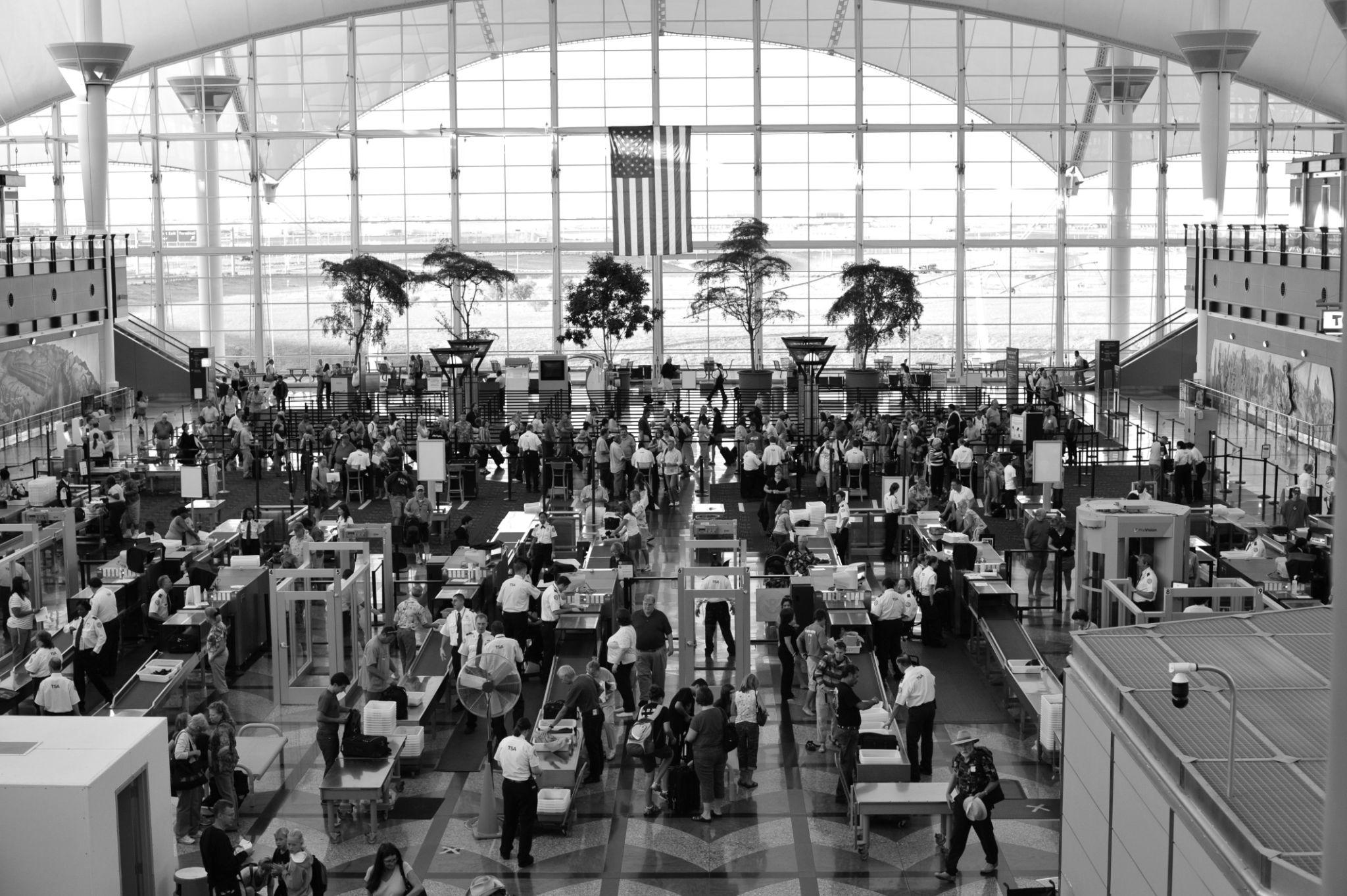
Once documents are verified, travelers advance to the central screening zone. Carry-on bags, shoes, and personal belongings pass through X-ray machines for imaging. Passengers walk through either a metal detector or an Advanced Imaging Technology scanner, which uses millimeter wave technology to identify anomalies on clothing or skin.
Travelers should remove shoes, belts, and jackets unless using TSA PreCheck. Hesitation slows the line and increases the likelihood of secondary searches. Officers may conduct pat-downs if the scanner flags an area of concern. Cooperation shortens these interactions and prevents escalation.
Special Items That Require Disclosure
Certain items receive unique treatment and must be declared before screening. These include:
- Medications and liquid prescriptions
- Infant formula and breast milk
- Mobility equipment and assistive devices
- Duty-free liquids in approved sealed bags
- Medical implants or metal prosthetics.
Officers may perform chemical tests to verify safety. Documentation can be helpful, although it is not mandatory. Travelers with medical devices can request a private screening if desired.
Trusted Traveler Programs
Travelers who fly frequently can reduce checkpoint time through trusted traveler programs. TSA PreCheck allows passengers to keep laptops in their bags, wear shoes and belts during screening, and pass through shorter lines. Enrollment lasts five years after approval.
Global Entry provides expedited processing when reentering the United States from abroad. Membership includes TSA PreCheck, creating a unified efficiency layer for both domestic and international trips. These programs offer measurable time savings for passengers who travel several times per year.
Actions After the Checkpoint
After completing screening, travelers should move promptly to the repacking area. Lingering near conveyor belts disrupts traffic and delays passengers behind them. A short internal checklist ensures that nothing is left behind.
Valuables such as phones, watches, passports, and laptops must be returned to secure locations. Boarding passes should remain accessible because additional scans may occur at the gate. Reorganizing bags immediately prevents confusion later.
Hydration and short movement breaks help restore comfort after long periods of standing in lines. Once belongings are secured, travelers can focus on locating their gate and preparing for boarding.
A Confident Path Forward
Airport security becomes manageable through informed preparation and disciplined movement through each stage of the checkpoint. Travelers who anticipate document checks, liquid rules, and electronic inspections experience fewer interruptions and reduce the possibility of secondary screening.
Efficient navigation relies on consistent habits that support awareness and organization. Once travelers adopt these behaviors, the checkpoint becomes a predictable procedure rather than a source of stress. This shift in mindset improves the entire departure experience and positions passengers for a calm transition from screening to the gate.